Trust Me, I’m Lying
Like Meghan Trainor told us back in 2014 with that song about Ubisoft if your lips are movin’ then you’re lyin’, lyin’, lyin’. Only kidding, Jonathan, mostly. Okay, perhaps it’s not as bad as all that but it can certainly sometimes feel like it when we’re constantly confronted with the reality that some developers seem to have forgotten that we aren’t inanimate ATMs they withdraw money from once or twice a year. I won’t go so far as to say that the customers are always right and with as much as an anachronism as that seems to be these days they certainly are not always wrong, either. Back at E3 2012 we were all blown away by the gameplay debut of Watch Dogs then the subsequent slow motion train wreck of the Downgrade-gate that followed and would become a rallying cry for gamers who were tired of being sold the wrong kind of fantasies. The reality was that Watch Dogs was only the latest in a long line of aromatic discharge trailing across magazine articles, early forums and press releases from the game industry. A phrase I once heard from the early days of the Penny Arcade Podcast labeled those hype stills we stared at for hours as “Bull-shots” and I couldn’t think of a better descriptor to place on them. Ultimately it wouldn’t have been so bad if the industry as a whole wasn’t allergic to the concept of managing the expectations of their fans, unfortunately that kind of thing doesn’t play well with investors; a financial concept best expressed in this formula, hype = fucktons of money. My terrible algebra aside there is real financial incentive to not in any way try to throw the brakes on a hype train once it leaves the station, in the short term anyways. That shit comes back like a boomerang. This is in spite of gamers proving time and again that delaying a game for additional time to polish is a far cry from a death sentence for financial success… unless you’re Duke Nukem Forever. 2017 saw one of the most significant examples of this with the overwhelming success of Final Fantasy 15, so successful in fact that they put out a PC port far ahead of what they had implied they would prior to release. Even after it’s over ten years in development it’s sales numbers are still profitable. Studios that have gone all in on yearly releases for their IPs are so deathly afraid of delaying their games that it took a disaster the size of AC: Unity for Ubisoft to finally decide to take a year off between releases to get their house in order. This was also a series that while not unprofitable was beginning to stagnate to fans in gameplay, story, and whose sales were not growing at healthy rates year over year but that still wasn’t enough to get them off of that release schedule. Grueling release schedules are certainly not the only reason for a fall in quality releases from developers, in the case of Bethesda it seems to be an unwillingness to move off of a game engine that started showing its age back in 2012. Bungie, sledgehammer in hand, took it reputation down to the studs in late 2014 with the release of Destiny then rebuilt it with impressive determination over the next couple years. Like a drunken ouroboros they turned back on themselves in 2017 and not liking the look of what they rebuilt decided a nice gas fueled inferno would really do the trick this time around. Gearbox had one of the more hilarious self imposed executions when Aliens: Colonial Marines was being shown off on the convention circuit using content that wasn’t actually in the game but instead had been made specifically to get people excited. This was also following years of controversy between Gearbox and Sega, who was paying for the development, that contributed to the extended development and near cancellation. The whole thing ended with a lawsuit over the false advertising about the game which Sega settled for roughly 1.25m. Bioware has been a bit more of a roller-coaster with some truly impressive highs until the rather spectacular crash of Mass Effect: Andromeda this past year and the upcoming Anthem which many assume will be a mess for several factors not directly related to developer only decisions. That’s a matter for a different post. I won’t bother to explain the entire thing here for what little can be said about brevity in this post but if you haven’t take a look at the SimCity disaster as perpetrated by EA and it’s developer Maxis, it was truly something to behold. Kotaku has an excellent write-up here.
So, why have I taken this opportunity to, as the kids say, put these specific developers on blast? For the same reason any good writer does, I needed something to write about. Also because a friend posed an interesting question to me; are there any developers that I trust explicitly these days? If I’m walking through… lets be honest I guess, if I’m looking at Steam or Amazon are there any IP’s or developers that I’ll buy from without a second thought? I wouldn’t say that normally I find myself speechless but I honestly couldn’t really answer truthfully off the top of my head without a myriad of reservations and qualifications. The last game I truly, truly enjoyed with absolutely no reservations was Doom 2016, a game that I would happily plaster perfect scores all over if I gave them out for anything I reviewed. But prior to that game, and even after I can’t say for sure that I’d buy something from Id without looking into it first. The other developers I’ve included in this post are some that at one point in my gaming career I would easily have given as an answer to the question. No one can be perfect forever, nor would I expect them to be but after being asked I took some time to think about who is out there currently that I would happily buy from knowing nothing else about the game except who it was crafted by, and here is what I came up with. In no particular order;
Can you guess the first one? I bet you can and I don’t want you to feel cheated so I’m going to give you until the end of this sentence to get it in your head, ready? Don’t cheat now. CD Projekt Red. How did you do? I was first introduced to CD Projekt way back in the heady days of ‘08 when I picked it up I’m pretty sure based on the cool wolf head medallion art and little to nothing else. I think a friend of mine told me it had a super complex potion crafting system and I was hooked already. Hand to god I didn’t know about the cards (If you dont know what these are, don’t worry about it, it’s unimportant) until I played the game. It was brutally difficult at parts and not always because it was intended that way, the systems were deliciously complex and it was well written to boot. On top of it all it felt different and unique from other fantasy action RPGs out at the time, it was truly a breath of fresh air for me. I certainly would’t call any of their games perfect but I can honestly say that each of them made substantive improvements and rarely if at all took backwards steps along the way. Witcher II had notoriously terrible combat that was somewhat fixed by some intrepid modders but otherwise it was still a hell of a game overall. Witcher III I’m sure I don’t even need to say it but it was truly a pinnacle of open world game design which took into account everything they had learned and distilled it into hundreds of hours of sheer gaming bliss. Their track record is one of currently unparalleled focus on quality game development and putting a premium on delivering on their promises regardless of how it looks if they have to delay their releases. What is even more impressive is that they are not irresponsible with their deadlines either, of the times they have had to delay their releases it’s not been excessive and they have been very clear and communicative during those times. Extending this design philosophy to talk about their approach to DLC is another facet of why trusting them so far has not been a bad decision, each piece of their post launch content that they charged for absolutely earned it’s price tag. Every category that you judge full releases by could be applied to their DLC and it would pass with flying colors. A game some people had already spent hundreds of hours in was revitalized with each new addition, a feat that up until then I’d really only seen accomplished with Bethesda’s Elder Scrolls V: Skyrim. CD Projekt also knows when it’s time to step away from a project and have done so with The Witcher stating that the third installment will be the last one for now and if they do return it will be with a new cast of characters. I can’t think of a single other gaming company that would make a decision to step away from one of the best selling franchises of all time of their own accord before they make a mistake or the community decides there’s been enough. An interesting contrast when you look at the decisions surrounding Mass Effect: Andromeda. Coming up in the next year or two CD Projekt is going to be looking to replicate The Witcher’s success with a new game titled Cyberpunk 2077, a game that I will have zero compunctions about putting my money down for.
Obsidian Entertainment is another studio that, while having a slightly rockier history, is one that I’d have a hard time saying that I don’t trust enough to pick up one of their games with a minimum of questions asked. I trust them enough to kickstart their isometric RPG Pillars of Eternity when it was announced and it definitely paid off in the end. Their development record centers largely around making sequels for other established franchises but not entirely especially after their last game to release called Tyranny which I actually wrote a review for that you can read here. For fans of that style of game I don’t think you could really ask for much more and even if they aren’t your favorite genres I think it could go a long way to showing you what they have to offer. I wont bore you by re-treading Obsidian’s history of game development but suffice it to say they’re no slouches even going so far as to outshine the original developers of Fallout with their entry, Fallout: New Vegas. A game that features, among other things, one of the best opening cinematics that I’ve ever had the pleasure of watching. All of this adds up to me being I think appropriately excited for their upcoming title Pillars of Eternity 2: Deadfire.
id Software has a special place in many gamers hearts just based on the part they played in the genesis of one of if not the most popular genre of games that exists today with Wolfenstein and DOOM. Regardless of when or even if you ever got into their library of games it’s hard to deny the amount of history centered around this one studio throughout the industry. So why do I trust them? Even after not being terribly thrilled with DOOM 3 and the imperfect outing with Rage ultimately my experiences have always been positive. Their hiatus between DOOM 3 and DOOM 2016 was in rather stark contrast to the most popular moves in modern gaming which was publishers forcing out incomplete games because of pre-determined deadlines. Not to mention the ability for them to step away from the franchise that was originally responsible for putting them on the map, Wolfenstein, and handing it off to Machine Games who have done an absolutely outstanding job moving that series forward. The products that resulted from these decisions shows a studio that is still devoted to delivering the best possible to their consumers. Overall I believe they have been true to their core ideals, design philosophy and faithful to the history of the franchises they continue to make all these years later. DOOM 2016 cemented this for me due to just how pure the genetic connection leading directly back to it’s ancestors. Excellently demonstrated by the fact that one of the many amazing easter eggs included in the game was hidden passages that time traveled you seamlessly back over thirty years ago to a game from another age of technology. When designing that game the care and reverence they took was obvious to I think everyone who played it with innovations and tweaks that didn’t crowd the core game out of the spotlight but instead intensified the available lumens to blinding levels. What was truly shocking was how artfully done the story was done as well, lightweight in all the right ways so for people who didn’t care it was little more than background noise but for people who paid attention there was actually something there to dig into. It also included one of my favorite and subtle character growth moments in recent memory between the Doom Slayer and a character named VEGA. I won’t spoil it here but I’m confident that if you play the game you’ll see the moment I’m talking about. It’s exactly the kind of thing worse written games would ruin by vomiting exposition all over it to make sure players don’t miss their genius and I couldn’t be happier that they knew enough to hold themselves back. As a quick aside what saddened me was I didn’t see it mentioned anywhere in any of the reviews as most glossed over what story there was, I couldn’t blame them for wallowing a bit in the mercenary fashion that the game treats it’s own approach to story and exposition but I was hoping that moment would be acknowledged by a few at least. I’m not sure where id Software is going from here but I fully expect them to return to Mars and the Doom Slayer and I will happily be first in line to pick it up.
One last thing, I cannot recommend Danny O’Dwyer’s YouTube documentary channel NoClip highly enough, the link will take you to the first of a three part series they did on the newest DOOM game and it’s more than worth your time.
Wow, well, after working on this for a couple days it’s already longer than I thought it would be and… I’m not even halfway done with my list?! Good grief. So, two parter? Two parter. I’ll revisit this at a later date I think and continue on with some of the other studios that I continue to trust or have come to trust more recently, all of whom I’m excited to follow to wherever they go next. Perhaps sprinkle in one or two I’ve fallen out with just for the sake of symmetry. I won’t keep you here much longer, I promise. Ultimately we should all be aware that nothing remains pristine forever, no endeavor avoids failure in perpetuity nor should it, failing teaches in some cases more valuable lessons than constant success. While the companies I took shots at in this post may not be people that I will buy from sight unseen anymore it absolutely does not mean that I will never buy from them again, that list is reserved for a very few lucky contestants, names that I’m sure would surprise none of you. Being an intelligent consumer is important as is knowing what reviewers and opinionated loudmouths you can trust to give you their honest opinion on where to spend your hard earned money. A dev or publisher we don’t trust today could make incredible strides towards regaining our trust again tomorrow, that’s just how life is.
Hold them accountable when they deserve it but don’t be shy about giving them a chance again if they’ve put in the work to earn it, you may be surprised at the results.
- Non-Washable.

 owever I always found myself fascinated by and believe it or not that started way back with the version released on the Atari 2600. In all of it’s right-angled glory this game ate up more of my time as a kid than I could safely admit without shame. Suffice it to say this was the start of my journey that would end with the arcade cabinet of Golden Tee Golf. A fantastic game by all rights it unfortunately arrived at a time in my life when the attention of my friends and I was squarely away from the bright lights of arcades. The father of one of my best friends played Golden Tee religiously and competitively from his PC at home during these years so it was a pretty consistent soundtrack to our own game playing and occasional LAN parties we held at their house. I’d occasionally stand and shoot the breeze with him as he played but that was just an excuse to watch the round of golf that was in process.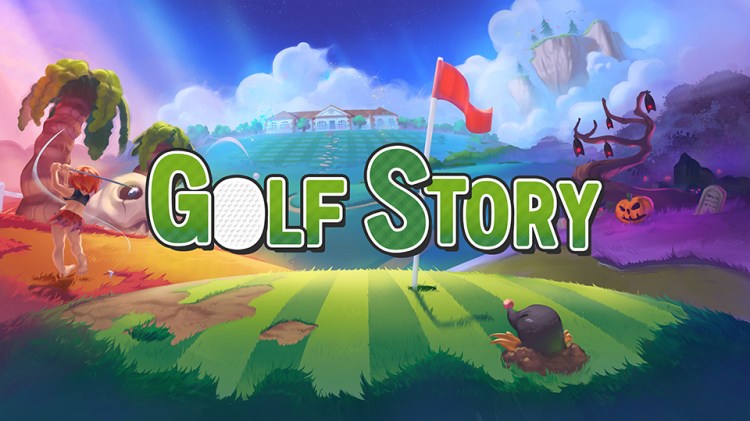
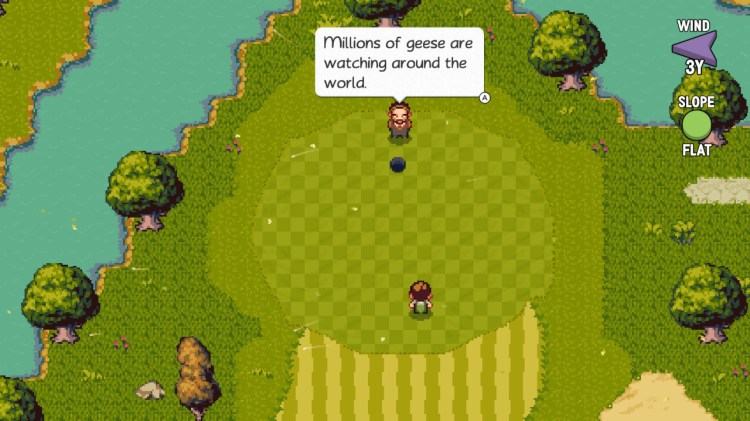
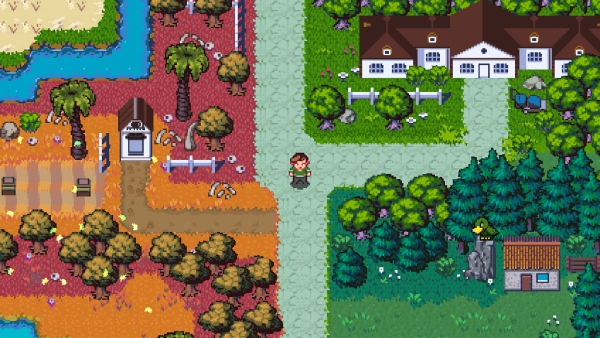
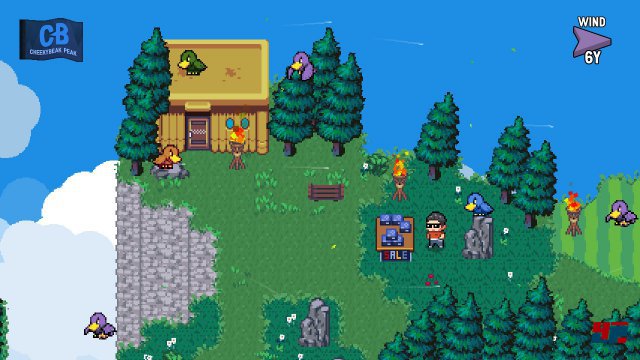

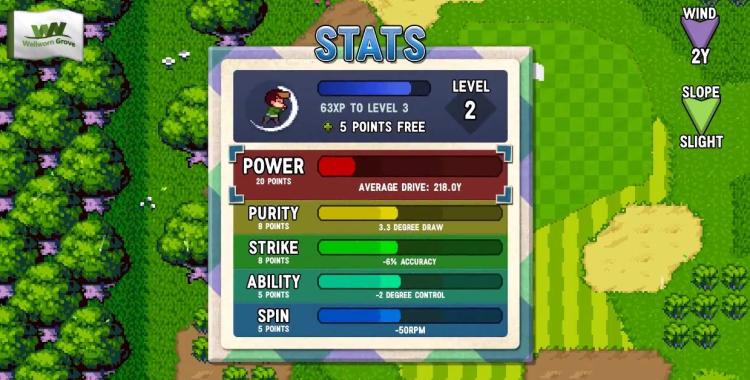 The leveling incorporates a stat system that allows you to customize your growth as a golfer but ensures that you don’t cross a (comparatively) realistic barrier into being an unbeatable god on the green. That way the game remains challenging and fun even deep into it’s later stages.
  Non-Washable Gamer
You must be logged in to post a comment.